

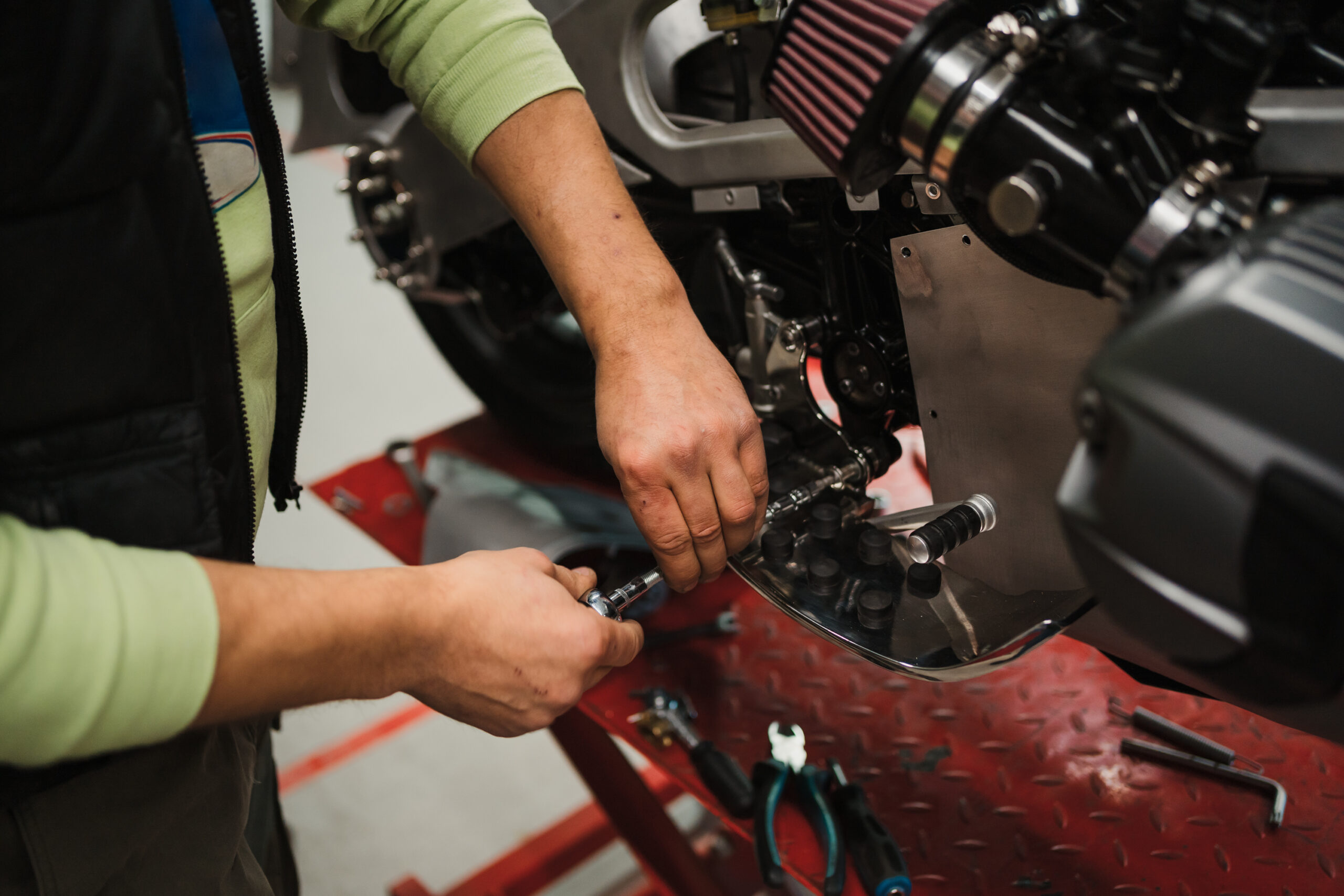
Changing the transmission oil in your motorcycle is an essential maintenance task that ensures optimal performance and longevity of the engine and transmission. Interestingly, many new riders are often surprised to learn that, in most motorcycles, the transmission uses the same oil as the engine. This means that when you change your engine oil, you’re also effectively changing your transmission oil. However, there are exceptions, particularly with classic motorcycles from brands like Triumph, Harley-Davidson, and Buell. These bikes often feature a ‘pre-unit’ construction, which requires separate oil changes for the transmission.
Preparing for the Oil Change
Before you begin the oil change process, it’s important to gather all necessary materials. You will need:
- The appropriate transmission oil as specified in your motorcycle’s manual.
- An oil drain tray to catch the old oil.
- A long-necked funnel for easy pouring.
- A set of Allen keys (typically an 8mm key for the drain plug).
- A torque wrench to ensure proper tightening of bolts.
- Disposable latex gloves to protect your skin from potential irritation caused by oil.
It’s advisable to warm up your motorcycle slightly before starting the oil change. Warm oil drains more effectively than cold oil, allowing for a more thorough removal of old fluid. Once warmed, park your motorcycle on level ground using its centerstand or a paddock stand.
Steps to Change Your Motorcycle Transmission Oil
- Locate the Oil Drain Plug: Find the oil drain plug situated underneath your motorcycle, typically located between the shock absorbers. Position your oil drain tray directly beneath this plug to catch any draining fluid.
- Remove the Fill Plug: With a wrench, carefully remove the fill plug located at the top of the gearbox. Set this plug aside in a safe place to avoid losing it during the process.
- Drain the Old Oil: Using an Allen key, remove the drain plug. Allow the old transmission oil to flow into the drain tray beneath it. While the oil is draining, take a moment to wipe off any debris from the drain plug with a rag. The drain plug usually has a built-in magnet that collects metal filings; ensuring this is clean will prevent contaminants from re-entering your transmission.
- Inspect and Replace O-Ring: Check the ‘O’ ring on the drain plug for any signs of wear or cracking. If it appears damaged, replace it to prevent leaks when you reassemble everything.
- Reinstall Drain Plug: Once all old oil has drained out, apply a small amount of fresh oil to the new ‘O’ ring before replacing it on the drain hole. Tighten it securely using a torque wrench; typically, this should be set between 15-17 pounds of torque, but always verify this with your motorcycle’s manual for exact specifications.
- Add New Transmission Oil: Carefully pour new transmission oil into the fill hole using your funnel. Take care not to overfill; refer to your owner’s manual for guidance on how much oil is required.
- Replace Fill Plug: After adding the new oil, securely replace and tighten the fill cap using your torque wrench.
- Clean Up: Wipe away any excess oil that may have splashed or spilled during the process.
- Check for Leaks: After completing these steps, inspect both fill and drain holes for any signs of leakage. It’s also wise to check again after taking your motorcycle for a short ride to ensure that everything is functioning correctly and that there are no leaks.
Conclusion
Regularly changing your motorcycle’s transmission oil is crucial for maintaining its performance and preventing potential damage over time. By following these steps and using proper tools and techniques, you can effectively manage this important maintenance task yourself. Always consult your motorcycle’s manual for specific recommendations regarding oil types and quantities to ensure optimal care for your bike. Remember that while changing engine and transmission oils might seem straightforward, taking proper precautions and following best practices will help keep your motorcycle running smoothly for years to come!