

Brakes are a fundamental component of any vehicle, making brake fluid one of the most critical elements for safe operation. Brake fluids are engineered to resist moisture, which can lead to vapor lock and brake failure, while also providing protection against corrosion and withstanding the high temperatures generated during braking. Given the importance of brake fluid, it is essential to understand how often it should be replaced and the proper procedure for doing so.
How Often Should You Change Brake Fluid?
While there is no universal answer to how frequently brake fluid should be changed—since it largely depends on driving habits and can vary by vehicle make and model—most manufacturers recommend changing the brake fluid at least every two years. This routine maintenance helps ensure optimal braking performance and safety.Since brake fluid is crucial for your vehicle’s safety, it is advisable to conduct visual inspections more frequently than just adhering to the change interval. Look for four key warning signs that may indicate your brake fluid needs to be replaced sooner:
- Dirty Fluid: Brake fluid should be clear. If it appears dark or murky, it’s time for a change.
- Burnt Odor: A burnt smell coming from the brake fluid can indicate overheating or degradation.
- Spongy Brake Pedal: If your brake pedal feels spongy or less responsive than usual, this could signal moisture contamination in the fluid.
- Low Fluid Level: If you notice that the fluid level in the reservoir has dropped significantly, it’s important to top it up and investigate potential leaks.
The Importance of Brake Fluid
Modern vehicles operate under high pressures, placing significant demands on their braking systems. While we often focus on components like brake discs and pads, it’s crucial to remember that these parts rely heavily on hydraulic systems powered by brake fluid. Insufficient or degraded brake fluid can lead to complete braking failure.Brake fluids are hygroscopic, meaning they absorb moisture from the atmosphere. This moisture reduces the boiling point of the fluid, which can lead to vapor lock during heavy braking scenarios—such as when driving downhill or during prolonged braking. Therefore, using a high-quality brake fluid specifically designed for automotive applications is essential for maintaining safety.
Steps to Replace Brake Fluid
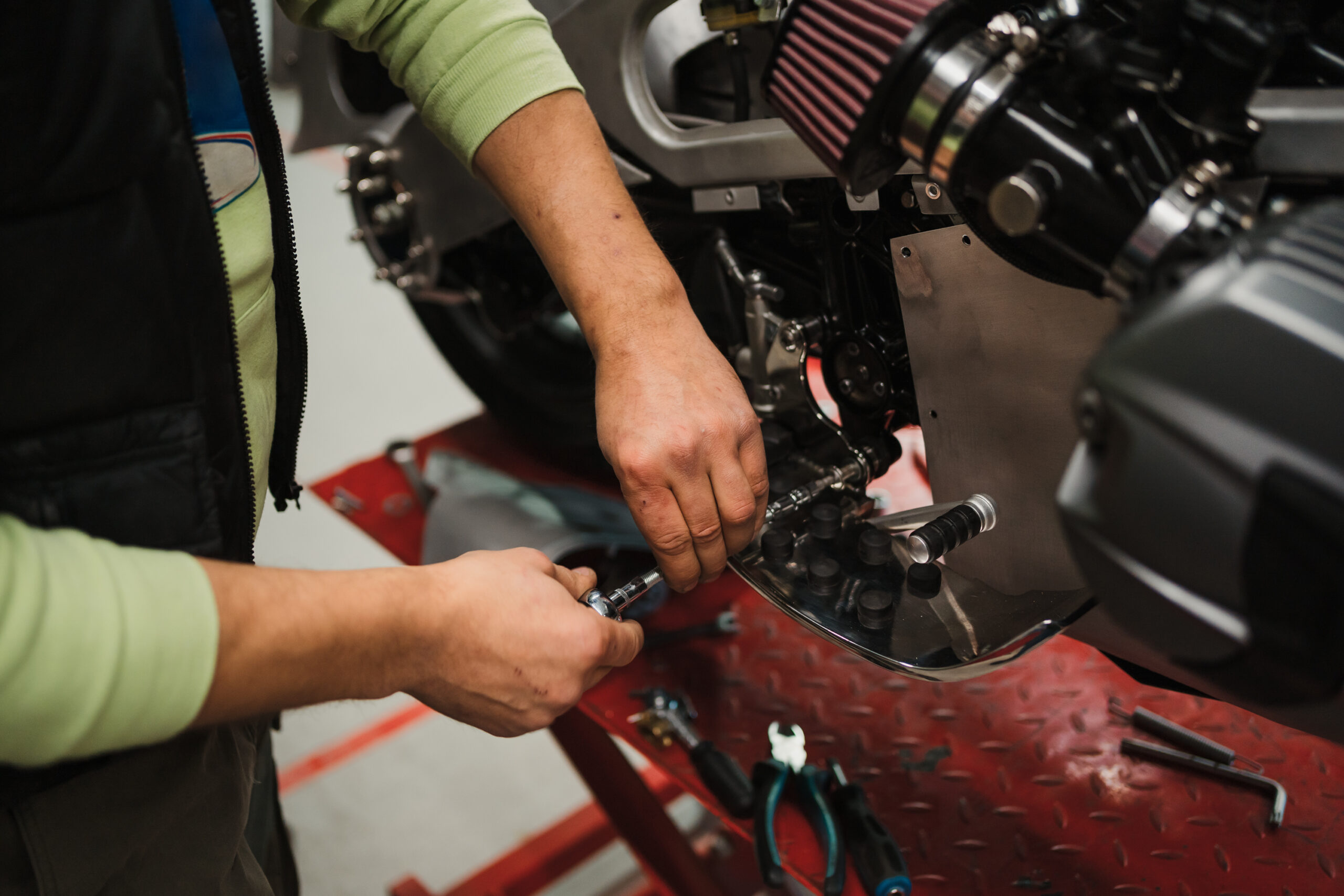
Changing brake fluid is not typically a do-it-yourself task unless you have professional training, as modern braking systems operate at extremely high pressures. It’s important to consult your vehicle’s manufacturer manual to determine if repairs to the braking system can legally be performed outside of an authorized workshop. Here’s a step-by-step guide to changing brake fluid:
- Drain the Old Fluid: Start by locating the brake master cylinder. Remove its cap and drain as much of the old fluid as possible. The best approach is to lift the car on axle stands and remove all four wheels for easier access.
- Change Brake Fluid: Fill the master cylinder with new brake fluid up to the “FULL” line.
- Flush Calipers/Wheel Cylinders: Release the bleed nipple located at the back of each brake caliper or wheel cylinder to drain out any remaining old fluid.
- Bleed the Brakes: Proceed to each caliper or wheel cylinder in turn, opening the bleed nipple to allow old fluid and any trapped air bubbles to escape until new fluid flows through.
- Top Up: Continuously check the level of brake fluid in the master cylinder throughout this process and keep it topped up as needed.
- Repeat the Process: Continue bleeding each caliper/wheel cylinder until you have worked through all of them.
Disposal and Environmental Considerations
Whenever you change your brake fluid or have someone perform this service for you, ensure that you dispose of the old fluid in an environmentally friendly manner. Different regulations may apply depending on your vehicle’s technology (e.g., ASR traction control, ESP stability control, SBC systems in some vehicles). Always check local guidelines before disposing of used fluids.
How Long Does It Take?
A skilled mechanic can typically complete a brake fluid change in about 30 to 60 minutes, depending on their experience and efficiency.
Use of Brake Flushing Machines
Some workshops utilize specialized brake flushing machines that streamline this process by eliminating the need for a second technician. These machines include pressure regulators and gauges that help set proper fluid pressure throughout the system.
Conclusion
Maintaining healthy brake fluid is vital for ensuring your vehicle’s safety and performance. Regular checks and timely replacements will help prevent costly repairs and ensure reliable braking performance on every journey. Always refer to your vehicle’s owner manual for specific recommendations regarding maintenance intervals tailored to your model, and consider consulting with a professional mechanic if you have any doubts about performing this task yourself.