
Brake systems are a critical component of any vehicle, and brake fluid is one of the key elements that ensure these systems function effectively. Brake fluid is specially formulated to withstand moisture, which can lead to vapor lock—a condition that compromises braking performance. Additionally, it protects against corrosion and endures the high temperatures generated during braking. Given its importance, a common question arises: how often should you replace brake fluid?
Recommended Frequency for Changing Brake Fluid
There is no one-size-fits-all answer to how frequently brake fluid should be changed, as this can vary significantly based on driving habits, environmental conditions, and the specific make and model of your vehicle. However, most manufacturers generally recommend changing the brake fluid at least every two years. This guideline helps ensure optimal performance and safety.For vehicles that are frequently driven in severe conditions—such as heavy traffic, hilly terrains, or extreme weather—more frequent changes may be necessary. Some mechanics suggest replacing the brake fluid every 30,000 to 40,000 kilometers (approximately 18,000 to 25,000 miles) or even more often for older or second-hand vehicles.
Visual Inspections: A Proactive Approach
Since brake fluid plays a crucial role in your vehicle’s safety, it’s wise to conduct visual inspections more frequently than the recommended change intervals. Here are four key warning signs that indicate your brake fluid may need to be replaced sooner:
- Dirty Fluid: Brake fluid should be clear in appearance. If it looks dark or murky, it’s time for a change.
- Burnt Smell: A burnt odor emanating from the brake fluid can indicate overheating or degradation of the fluid.
- Spongy Brake Pedal: If you notice that your brake pedal feels spongy or less responsive than usual, this could be a sign of moisture contamination in the brake fluid.
- Low Fluid Level: If you observe that the level of fluid in the reservoir has dropped significantly, it’s essential to top it up and check for leaks.
The Importance of Brake Fluid
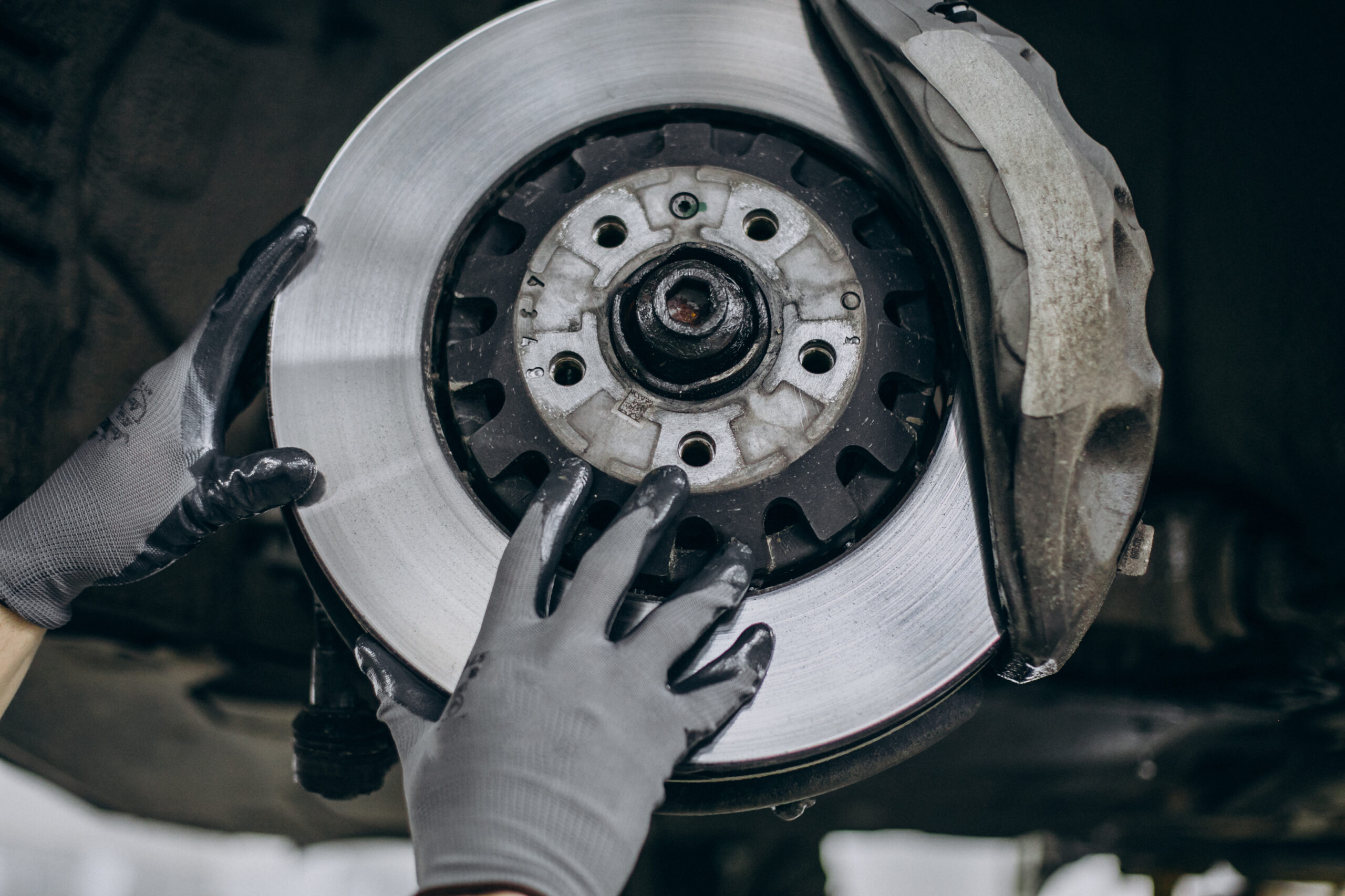
Modern braking systems operate under high pressure and place significant demands on brake components. While we often focus on parts like brake discs and pads—which do wear out over time—it’s crucial to remember that these components rely heavily on hydraulic systems powered by brake fluid. Insufficient or degraded brake fluid can lead to complete braking failure.One of the main issues with brake fluid is its tendency to absorb moisture from the environment. This absorption lowers the boiling point of the fluid, which can lead to vapor lock during heavy braking situations—such as descending steep hills—resulting in diminished braking performance. Therefore, using high-quality brake fluid specifically designed for automotive applications is essential.
What Does a Brake Fluid Change Involve?
When you take your vehicle in for a brake fluid change, a mechanic will typically follow these steps:
- Drain Old Fluid: The first step involves draining the old brake fluid from the system.
- Change Fluid: New brake fluid is then introduced into the system.
- Flush Calipers and Wheel Cylinders: The mechanic will flush out any remaining old fluid from calipers and wheel cylinders to ensure complete replacement.
- Bleed Brakes: This process removes any air bubbles trapped in the hydraulic system, which could affect braking performance.
- Top Up with New Fluid: Finally, the system is topped up with fresh brake fluid to ensure it operates at optimal levels.
- Repeat Process: Depending on your vehicle’s needs and maintenance schedule, this process may need to be repeated periodically.
Conclusion
Maintaining healthy brake fluid is vital for ensuring your vehicle’s safety and performance. While many manufacturers recommend changing brake fluid every two years, individual driving conditions and habits can necessitate more frequent changes. Regular visual inspections can help you catch potential issues early on. Always refer to your vehicle’s owner manual for specific recommendations tailored to your model and consult with a professional mechanic if you have any concerns about your braking system’s health. By staying proactive about your brake fluid maintenance, you can enhance your vehicle’s safety and reliability on the road.