
Whether you drive a manual or an automatic vehicle, the transmission system is crucial for your car’s overall performance. Transmission fluids play an essential role in preventing damage to the gearbox, ensuring that the connection between your powerful engine and the wheels operates smoothly. Given the high pressures generated by modern engines, a malfunctioning transmission can lead to significant repair costs and operational inconveniences. Therefore, it is vital to regularly check your transmission fluid levels to maintain optimal performance.
Importance of Regular Transmission Fluid Checks
Transmission fluid can sometimes leak, and if left unchecked, this can result in expensive repairs. To ensure peace of mind and optimal vehicle performance, it is advisable to check your transmission fluid at least once a month. This routine maintenance task can help you identify potential issues before they escalate into major problems.
Step-by-Step Instructions for Checking Transmission Fluid
For Automatic Transmissions
- Prepare Your Vehicle: Start by parking your car on a level surface. This ensures an accurate reading of the fluid level. Run the engine for about 5 to 10 minutes to warm up the transmission fluid, which helps provide a more precise measurement.
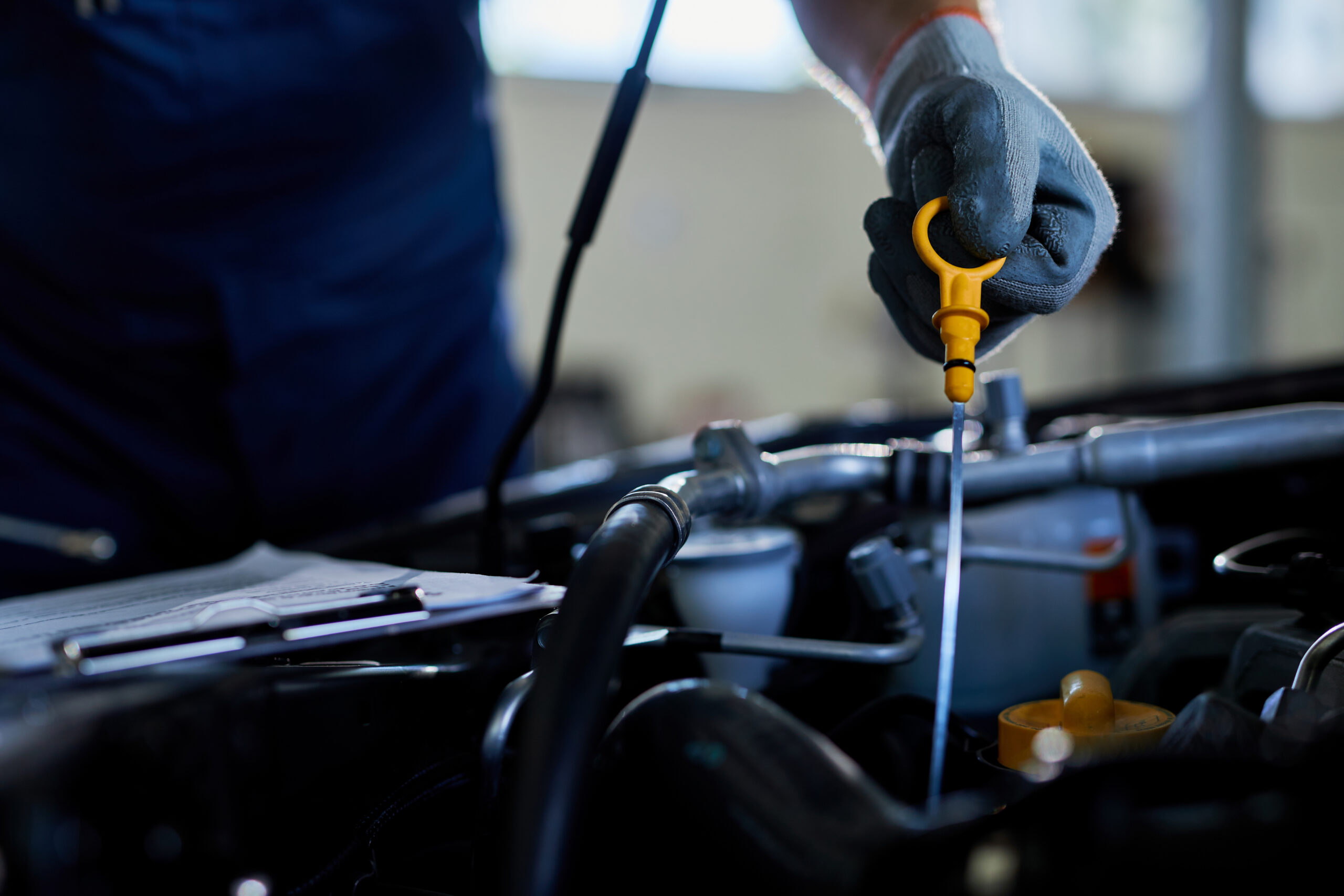
- Locate the Dipstick: Open the hood and find the transmission fluid dipstick. This dipstick is usually located further down in the engine compartment than the engine oil dipstick. If you cannot find it, consult your vehicle’s owner manual; some cars may have a sealed transmission system.
- Check Fluid Level:
- Remove the dipstick from its tube and wipe it clean with a lint-free cloth.
- Reinsert the dipstick fully back into its tube and then pull it out again.
- Observe where the fluid level falls on the dipstick; ideally, it should be at or near the “FULL” mark. Be cautious, as the fluid may be hot.
- Top Up If Necessary: If the fluid level is below the “FULL” mark, add more transmission fluid as needed. Use a long funnel to pour the fluid into the dipstick tube carefully, ensuring not to overfill.
For Manual Transmissions
Checking manual transmission fluid can differ since many manual transmissions do not have a dipstick:
- Locate the Fill Plug: Instead of a dipstick, manual transmissions often feature a fill plug located on the side of the transmission case. You may need to lift your vehicle using a hydraulic lift for better access.
- Check Fluid Level:
- Remove the fill plug using an appropriate tool.
- The fluid should be level with the bottom of the fill hole; if it spills out when you remove the plug, it’s at an adequate level.
- If low, add more fluid until it reaches that level.
- Fluid Condition: Inspect the color and texture of both automatic and manual transmission fluids. Healthy transmission fluid should be bright red or pink and clear. Any signs of discoloration or a burnt smell indicate that it’s time for a change.
Checking Transmission Fluid Without a Dipstick
If your vehicle has a sealed transmission system without a dipstick:
- Consult Your Owner’s Manual: Check if special tools or procedures are necessary for checking fluid levels.
- Use a Hydraulic Lift: Safely lift your vehicle using a hydraulic car lift if needed.
- Access Drain/Fill Plugs: Locate and remove the appropriate plugs as per your vehicle’s specifications to check or change the fluid.
- Professional Help: If you’re unsure about how to check or change your transmission fluid without a dipstick, consider seeking assistance from a professional mechanic.
Conclusion
Regularly checking your transmission fluid is vital for maintaining your vehicle’s performance and preventing costly repairs down the line. By following these steps for both automatic and manual transmissions, you can ensure that your car remains in good working order. Always refer to your vehicle’s owner manual for specific recommendations regarding fluid types and maintenance schedules tailored to your model. Keeping an eye on your transmission fluid will help you enjoy smooth driving experiences while extending the life of your vehicle’s transmission system.